LNH31.
Cross-border trade · B2B · Amazon
Australia Market10 min read·
How to Become a Woolworths Supplier: Taiwan Food Brand Onboarding Guide
Step-by-step guide for Taiwan food brands to become Woolworths Australia suppliers, covering the Supplier Connect portal, category buyer engagement, and compliance requirements.
woolworths supplier onboarding australiataiwan food brand woolworthswoolworths supplier connect portal
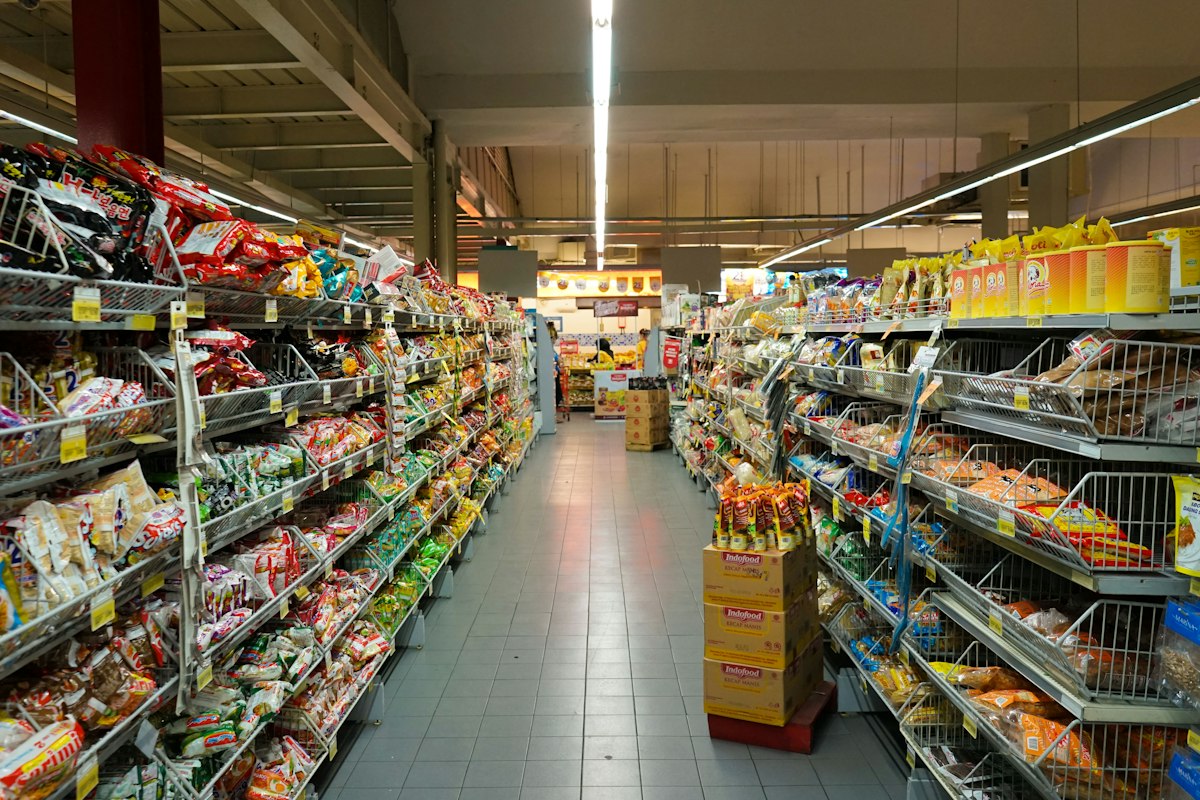
Woolworths Group: Australia's Largest Grocery Retailer
Woolworths Group Limited operates over 1,080 Woolworths supermarkets across Australia, generating approximately AUD 45 billion in annual food retail revenue and commanding roughly 37 percent of the Australian grocery market. Woolworths is the single most important retail distribution channel for food brands in Australia. Securing a Woolworths listing provides access to nearly 20 million weekly customer visits across the store network, Prime-like delivery through Woolworths Metro and Everyday Market, and credibility that accelerates acceptance by smaller retailers and distributors. For Taiwan food brands, Woolworths is the ultimate validation of market readiness.
Woolworths sources from approximately 6,000 suppliers, of which roughly 15 percent are international suppliers. International food brands most commonly enter the Woolworths assortment through the International, Specialty, and Asian Foods categories, where the buyer actively seeks differentiated products that serve Australia's multicultural consumer base. The Asian foods aisle in a standard Woolworths supermarket carries approximately 400 to 600 SKUs from 80 to 120 brands, with Taiwan brands representing a small but growing share. Categories with particular growth potential for Taiwan brands include dried noodles, sauces and condiments, tea and beverages, snacks, and health-oriented specialty foods.
The Woolworths assortment review cycle is continuous, but major category resets occur twice per year (February and August). New product submissions are reviewed by category buyers on a rolling basis, with the most intense review periods in the 8 weeks before each major reset. Woolworths does not have a single "application window" like some retailers. Instead, you can submit at any time through the Supplier Connect portal, but timing your submission to align with the pre-reset review period increases the probability of a prompt response. Products submitted in December through January are best positioned for the February reset, while products submitted in June through July target the August reset.
Woolworths has made public commitments to increasing the diversity of its supplier base and supporting smaller and international brands. The "Supporting Emerging Suppliers" program provides lighter-touch onboarding for brands with less than AUD 5 million in annual sales, and the "Woolworths Discovery Garden" initiative occasionally features imported specialty food brands. Taiwan food brands should reference these programs in their pitch materials to demonstrate alignment with Woolworths' stated strategic priorities. The company's focus on "Health and Wellness" as a growth pillar also creates opportunities for Taiwan brands with functional food and health-oriented product positioning.
Supplier Connect Portal and Initial Application Process
All new supplier applications to Woolworths are submitted through the Supplier Connect portal at supplier.woolworths.com.au. Registration is free and requires basic company information, product category selection, and upload of the following documents: company profile, product sell sheets (one page per product, including ingredients, packaging details, retail pricing recommendation, and product photos), food safety certification (GFSI-recognized scheme certificate), product liability insurance (minimum AUD 20 million), and a completed Woolworths Supplier Questionnaire. The questionnaire covers manufacturing capability, quality assurance systems, supply chain logistics, environmental sustainability practices, and ethical sourcing commitments.
The Supplier Connect portal triages applications to the relevant category buyer based on the product category you select. Response times vary from 2 weeks to 3 months depending on the category buyer's workload and the perceived relevance of your product. If you do not receive a response within 6 weeks, send a follow-up through the portal. Woolworths receives approximately 200 to 400 new supplier applications per month across all categories, and category buyers prioritize products that fill identified assortment gaps. Your sell sheet must clearly communicate what gap your product fills: a new flavor profile, a healthier alternative to existing options, a price point not currently served, or a format innovation.
Before applying, conduct a thorough analysis of the Woolworths shelf in your target category. Visit 3 to 5 Woolworths stores in different areas (inner city, suburban, regional) and photograph the shelf set for your category. Identify the brands currently listed, their pricing, their pack sizes, and their shelf positioning. Your application must demonstrate awareness of the current assortment and articulate how your product adds value that the existing range does not provide. Category buyers are far more likely to engage with suppliers who demonstrate this level of market research than with suppliers who submit generic product information.
If the category buyer expresses interest after initial review, you will be invited to a product presentation meeting, either in person at Woolworths' Bella Vista office in Sydney or via video conference. Prepare a 15-minute presentation covering: your brand story and differentiation, product specifications and certifications, recommended retail pricing and wholesale margin, marketing support plan, and supply chain capability including lead times, minimum order quantities, and distribution logistics. Bring product samples for tasting. The category buyer will evaluate your products on taste quality, packaging appeal, price competitiveness, and strategic fit with the category plan.
Food Safety Certification and Compliance Requirements
Woolworths requires all food suppliers to hold a food safety management system certification recognized by the Global Food Safety Initiative (GFSI). Accepted certifications include BRCGS (formerly BRC), SQF (Safe Quality Food), FSSC 22000, IFS Food, and GlobalGAP. If your Taiwan manufacturing facility does not currently hold a GFSI-recognized certification, this is the first investment you must make before approaching Woolworths. BRCGS certification is the most commonly held by Woolworths suppliers and is recommended for Taiwan brands. The BRCGS certification process takes 6 to 12 months and costs approximately USD 15,000 to USD 30,000 including pre-audit preparation, the certification audit, and corrective action implementation.
In addition to GFSI certification, Woolworths conducts its own supplier quality audits through the Woolworths Quality Assurance (WQA) program. After initial product acceptance, Woolworths may send an auditor to your manufacturing facility or request a remote audit (which became more common after COVID-19). The WQA audit evaluates your factory against Woolworths-specific requirements including allergen management, metal detection, glass and hard plastic control, pest management, and traceability systems. Failure to pass the WQA audit results in temporary suspension of supply until corrective actions are verified. Taiwan factories should request Woolworths' WQA standard document during the onboarding process and conduct an internal gap assessment before the audit.
Product labeling must comply with Food Standards Australia New Zealand (FSANZ) Food Standards Code, specifically Standard 1.2.1 (Labelling Requirements), Standard 1.2.3 (Mandatory Warning and Advisory Statements), Standard 1.2.4 (Information Requirements: Nutrition, Health and Related Claims), and Standard 1.2.7 (Nutrition Information Panels). Labels must be in English, include the Nutrition Information Panel (NIP) in the prescribed FSANZ format, declare all allergens per Standard 1.2.3, show country of origin as required by the Country of Origin Food Labeling Information Standard 2016, and include a date marking (best before or use by date). Woolworths' Private Label Quality team may also impose additional labeling requirements specific to their brand standards.
Supply chain compliance requires the ability to deliver products to Woolworths' distribution centers (DCs) in Melbourne, Sydney, Brisbane, Perth, and Adelaide. Woolworths operates on a centralized distribution model where suppliers deliver to DCs and Woolworths distributes to individual stores. For international suppliers, this means your Australian logistics partner (3PL or distributor) must be set up in the Woolworths Supplier Hub system with the ability to receive purchase orders electronically and deliver to the specified DC within Woolworths' lead time requirements (typically 5 to 7 business days from purchase order). Set up EDI (Electronic Data Interchange) or Woolworths' web-based ordering system during onboarding to avoid order processing delays.
Margin Expectations, Trading Terms, and Promotional Calendar
Woolworths expects a wholesale discount of 35 to 45 percent off the recommended retail price (RRP) for branded food products in the international and specialty categories. For a product with an RRP of AUD 8.00, the wholesale price to Woolworths would be AUD 4.40 to AUD 5.20. Woolworths also typically negotiates additional trading terms including settlement discounts (1 to 2 percent for payment within 30 days), a warehousing and distribution allowance (2 to 5 percent), and an annual rebate (1 to 3 percent of annual purchases). The effective margin retained by the supplier after all deductions is typically 48 to 58 percent of RRP. Taiwan brands must calculate their landed cost (manufacturing, shipping, duties, labeling, insurance) to ensure profitability at these margin levels.
Payment terms at Woolworths are typically 30 to 45 days from end of month of invoice, which means your actual cash collection cycle can be 30 to 75 days from delivery depending on timing. International suppliers should factor this extended cash collection cycle into their working capital planning. Woolworths pays in Australian dollars via electronic funds transfer to an Australian bank account. Taiwan brands operating through an Australian distributor will receive payment from the distributor rather than Woolworths, adding another 15 to 30 days to the payment cycle. Ensure your trade finance arrangements accommodate a total cash-to-cash cycle of 90 to 120 days from production to payment.
The Woolworths promotional calendar runs on a weekly cycle, with promotional offers changing each Wednesday. Suppliers can participate in promotional activities including temporary price reductions (TPR), multi-buy offers (for example, 2 for AUD 5), end-of-aisle displays, catalogue features, and Woolworths Rewards member exclusive offers. Promotional participation requires supplier-funded markdown contributions, typically 20 to 40 percent of the promotional price reduction amount. For a product reduced from AUD 8.00 to AUD 6.00 during a promotion, the supplier contributes AUD 0.40 to AUD 0.80 per unit sold on promotion. Budget 8 to 12 percent of your annual Woolworths wholesale revenue for promotional contributions.
New suppliers are expected to commit to a minimum promotional plan in their first year. Woolworths category buyers typically request 4 to 6 promotional events in the first 12 months, with the first promotion timed to coincide with the product launch to drive trial and awareness. Additionally, Woolworths may request a "new line listing fee" or "slotting fee" for shelf space, although this practice varies by category and is subject to negotiation. International specialty food brands are sometimes offered reduced or waived slotting fees as an incentive to diversify the assortment. Negotiate listing fees during the onboarding commercial discussion rather than accepting the first proposal.
Frequently Asked Questions
What certification does Woolworths require from food suppliers?
Woolworths requires a GFSI-recognized food safety certification: BRCGS, SQF, FSSC 22000, IFS Food, or GlobalGAP. BRCGS is the most commonly held by Woolworths suppliers. Certification takes 6 to 12 months and costs USD 15,000 to USD 30,000. Without this certification, your application will not be reviewed.
How long does it take to get listed at Woolworths from initial application?
From initial Supplier Connect submission to products on shelf, expect 4 to 9 months. This includes application review (2 to 6 weeks), buyer meeting and product evaluation (2 to 4 weeks), commercial negotiation (4 to 8 weeks), compliance onboarding and system setup (4 to 8 weeks), and first order delivery to DC (2 to 4 weeks). Timing your submission to align with category reset periods accelerates the process.
What wholesale margin does Woolworths expect?
Woolworths expects 35 to 45 percent off RRP as the base wholesale discount, plus additional trading terms (settlement discount, warehousing allowance, annual rebate) totaling 4 to 10 percent. The effective supplier retention is 48 to 58 percent of RRP. Your landed cost must not exceed 30 to 35 percent of RRP to maintain healthy profitability.
Sources & References
- —Woolworths Group -- Supplier Connect Portal Registration Guide 2025
- —Woolworths Group -- Annual Report 2025, Food Division Performance
- —Food Standards Australia New Zealand -- Food Standards Code 2025
- —Global Food Safety Initiative -- Recognized Certification Programmes 2025
Ready to Enter the US Market?
We turn great products into global sales. Contact us today.
Start a partnershipMore Articles
View All →
Cross-Border Trade
How Trade Shows Generate Export Leads: A Practical Guide for Taiwan Brands
8 min read