
Australia Market
Australia Allergen Labeling for Imported Food Products: Complete Requirements
9 min read
How to optimize cross-border ecommerce returns processing across US, Australia, and Japan markets to reduce costs, improve customer satisfaction, and recover product value.
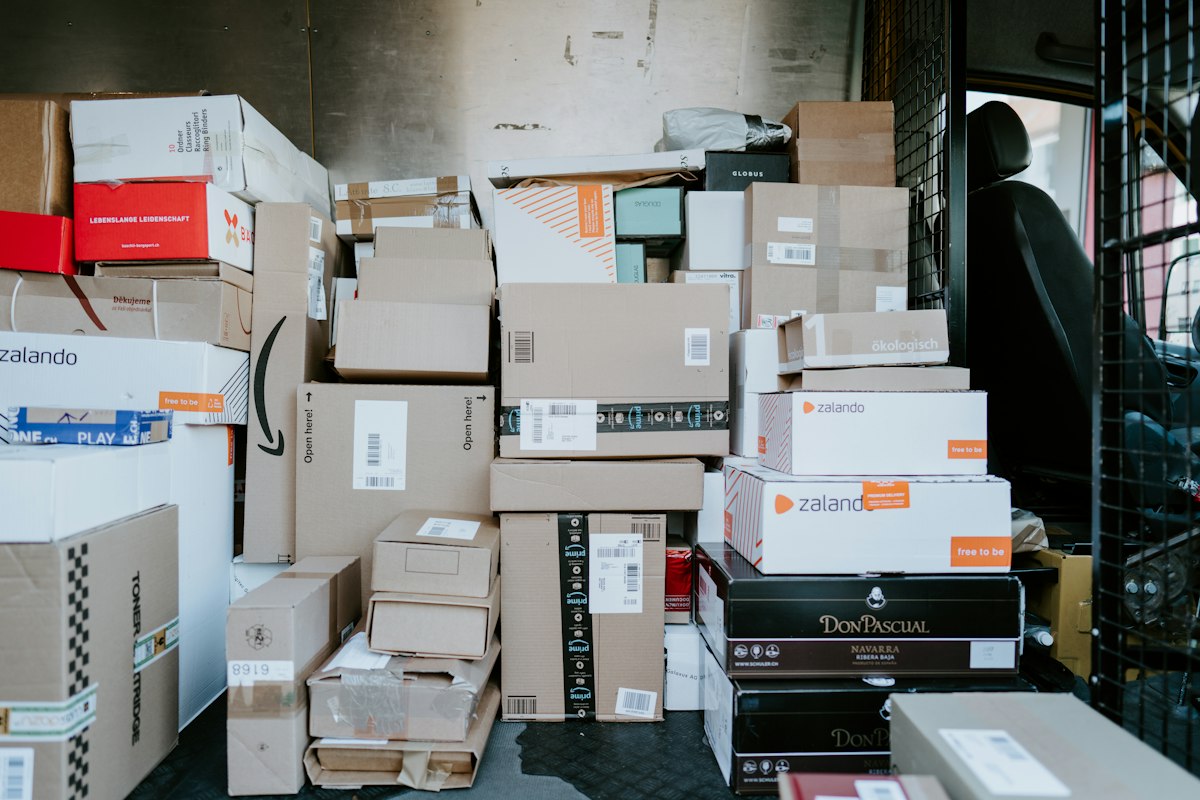
Returns are an unavoidable cost of ecommerce, with industry average return rates of 15 to 20 percent for US ecommerce (higher for apparel at 25 to 30 percent, lower for consumables at 5 to 10 percent), 12 to 18 percent for Australian ecommerce, and 8 to 15 percent for Japanese ecommerce (Japanese consumers are more deliberate purchasers with lower impulse return rates). For a Taiwan brand with USD 500,000 in annual US ecommerce sales and a 12 percent return rate, returns represent USD 60,000 in gross revenue that must be processed, with associated costs for return shipping, inspection, repackaging, and restocking or disposal.
Cross-border returns are more complex and costly than domestic returns because returned products must either be shipped back to Taiwan (prohibitively expensive for most consumer products), processed and restocked in the destination market (requires local logistics infrastructure), or disposed of in the destination market (wasteful but sometimes the most cost-effective option). For FBA sellers, Amazon handles the return logistics but charges fees for return processing and may classify returned items as unsellable, requiring removal or disposal. Managing returns efficiently is not just a cost center but a competitive advantage that affects customer satisfaction, product reviews, and overall profitability.
The financial impact of returns goes beyond the cost of the returned goods. Returns generate multiple hidden costs: return shipping (free returns are expected by US consumers, costing USD 3 to USD 8 per return for standard-size items), inspection and grading (determining whether returned products can be restocked or must be disposed), repackaging (if the product is restockable but the original packaging is damaged), inventory carrying cost during the return processing period, and the customer service time spent handling return requests, processing refunds, and managing replacement shipments.
Amazon FBA handles the majority of return logistics for FBA sellers, but the associated costs and complexity require proactive management. When a customer returns an FBA product, Amazon receives the return, inspects it, and classifies it as "Sellable" (returned to active inventory for resale) or "Unsellable" (damaged, defective, or customer-damaged). Unsellable returns accumulate in your FBA inventory and incur storage fees until you request removal (Amazon ships them to an address you specify) or disposal (Amazon destroys them). FBA return rates, reasons, and costs are reported in the FBA Customer Returns report in Seller Central. Review this report monthly to identify products with abnormally high return rates and address the root causes.
Return rate reduction starts with accurate product listings. The most common return reasons on Amazon are "Item not as described" (25 to 30 percent of returns), "No longer needed" (20 to 25 percent), "Defective or does not work" (15 to 20 percent), and "Wrong item received" (5 to 10 percent). Address "Item not as described" returns by ensuring your product listings accurately represent the product: use actual product photographs (not stock images or retouched photos that exaggerate color, size, or finish), include accurate dimensions and weight in the product specifications, and clearly describe what is and is not included in the package.
Product quality consistency is the most effective return rate reduction strategy. Every unit that is identical to the previous unit and matches the listing description eliminates the "defective" and "not as described" return categories. Implement in-process quality control checks at your manufacturing facility specifically targeting the attributes that generate customer complaints: packaging integrity (arrives undamaged), product appearance (consistent color, texture, and finish), functional performance (supplements dissolve properly, electronics power on correctly), and labeling accuracy (correct flavor, size, and formulation on the label). Budget 1 to 2 percent of COGS for quality control specifically targeted at return reduction.
Sizing, dosage, and usage guidance reduce "Not as expected" returns. For supplements, clearly state the serving size, number of servings per container, and recommended daily usage on both the product listing and the product label. A customer who expects a 60-day supply but receives a 30-day supply (because the serving size is 2 capsules, not 1) will return the product. For food products, include weight in both metric and imperial units and show a reference object for size comparison in product images. For any product where consumer expectations might differ from reality, proactively set accurate expectations through listing content.
Post-purchase communication can prevent "No longer needed" and "Changed my mind" returns. Send a post-purchase email (through Amazon's Buyer-Seller Messaging for order-related communications, or through your DTC email for direct sales) with usage tips, expected results timeline, and a reminder of the product's benefits. For supplements, remind the customer that results may take 4 to 8 weeks of consistent use, which reduces the impulse to return after just 1 to 2 weeks. For food products, include recipe suggestions or serving ideas that encourage consumption rather than regret. Well-timed post-purchase communication reduces return rates by 5 to 15 percent for consumable products.
FBA returns classified as "Unsellable" by Amazon must be actively managed or they accumulate in your FBA inventory incurring monthly storage fees. Amazon provides three options for unsellable inventory: removal orders (Amazon ships the units to a US address you specify at a cost of USD 0.97 to USD 13.05 per unit depending on size and weight), liquidation (Amazon sells the returned inventory in bulk to liquidation buyers at approximately 5 to 10 percent of the retail price, and you receive the proceeds minus the liquidation fee), and disposal (Amazon destroys the items at a cost of USD 0.32 to USD 1.07 per unit).
The optimal approach for each unsellable return depends on the product's value and restockability. For high-value products (retail price above USD 20) that are likely in resalable condition, request removal to a US-based inspection and refurbishment facility. The facility inspects each returned unit, repackages units in resalable condition, and returns them to FBA inventory. Refurbishment costs typically range from USD 1 to USD 5 per unit. For low-value products (retail price below USD 10) where the refurbishment cost exceeds the product value, disposal or liquidation is more cost-effective than removal and inspection.
Amazon's FBA Grade and Resell program (launched 2024) automatically lists eligible returned products as "Used" on Amazon at a reduced price, allowing you to recover value from returned inventory without manually processing it. When a return is classified as unsellable but still functional (cosmetically damaged packaging, opened but unused product), Grade and Resell lists the item at your specified discount (typically 20 to 50 percent off the original price) under a "Used - Like New" or "Used - Good" condition. This program is particularly effective for health supplement brands where returned products with damaged outer packaging still contain a sealed inner product that is perfectly usable.
For Taiwan brands without US-based refurbishment capability, partner with a US 3PL that offers returns processing services. Services include: receiving returned inventory from FBA removal orders, inspecting and grading each unit (resalable, refurbishable, or disposable), repackaging resalable units with new labels and packaging if needed, and shipping resalable units back to FBA or fulfilling DTC orders. Returns processing 3PL fees range from USD 1.50 to USD 4.00 per unit for inspection and grading, plus repackaging costs if applicable. Recommended US returns processing 3PLs include Returnly (now part of Affirm), Happy Returns (now part of PayPal), and Optoro.
US consumers expect free returns within 30 days for most ecommerce purchases, and Amazon's default return policy provides this for FBA products. Amazon's Returnless Refund program automatically issues refunds for low-value returns (typically under USD 25 to USD 35) without requiring the customer to ship the product back, saving you the return shipping cost but eliminating any opportunity to recover the product value. Monitor your Returnless Refund threshold in Seller Central and adjust if the automatic refund is being triggered too frequently. For DTC Shopify sales, offer a clear 30-day return policy with free prepaid return labels to match the Amazon return experience.
Australian consumers are protected by the Australian Consumer Law, which provides statutory rights to a refund, repair, or replacement for products that have a "major failure" (product is unsafe, substantially unfit for purpose, or significantly different from description). Beyond these statutory rights, the voluntary return policy you offer is your competitive choice. The standard Australian ecommerce return policy is 14 to 30 days for change-of-mind returns, with the consumer paying return shipping. For Amazon Australia FBA products, Amazon provides the same free return policy as the US marketplace.
Japanese consumers have the lowest ecommerce return rates among the three markets, reflecting a cultural approach that emphasizes careful purchase decisions and a reluctance to create inconvenience for the seller. However, when returns do occur, Japanese consumers expect a smooth, no-questions-asked process. Amazon Japan provides the same return policy as Amazon US (30-day free returns for FBA products). For Rakuten and Yahoo Shopping sales, your stated return policy governs: offer a 14-day return window for unopened products and a 7-day window for defective products. Include the return policy in Japanese on your product pages and in the order confirmation email.
Cross-border returns to Taiwan should be avoided for most consumer products because the international return shipping cost (USD 15 to USD 50 per unit) typically exceeds the product value. Instead, process all returns locally in each market: use FBA for Amazon returns, use your local 3PL for DTC returns, and establish a local return address for marketplace returns. For high-value products (above USD 100 per unit) where the product can be refurbished and resold, international return shipping may be justified. For consumable products that cannot be resold after customer receipt (food, supplements, cosmetics opened by the customer), issue a refund without requiring product return to minimize cost and maximize customer satisfaction.
Health supplement return rates on Amazon US average 5 to 10 percent, lower than the overall ecommerce average of 15 to 20 percent because supplements are consumable products with lower change-of-mind returns. The most common supplement return reasons are taste or texture issues (30 percent), expected results not achieved (25 percent), and wrong product received (15 percent).
Use FBA Grade and Resell for products with minor cosmetic damage to packaging but functional product inside. Use 3PL returns processing for products requiring repackaging, relabeling, or quality testing before resale. For products under USD 10, disposal or liquidation is more cost-effective than either option. Evaluate based on per-unit economics.
Focus on three areas: listing accuracy (ensure product descriptions, images, and specifications match the actual product), product quality consistency (implement pre-shipment quality checks targeting common return reasons), and post-purchase communication (send usage guidance and benefits reminders to reduce premature returns). These strategies can reduce return rates by 20 to 40 percent.
We turn great products into global sales. Contact us today.
Start a partnership9 min read